 Your Company Name
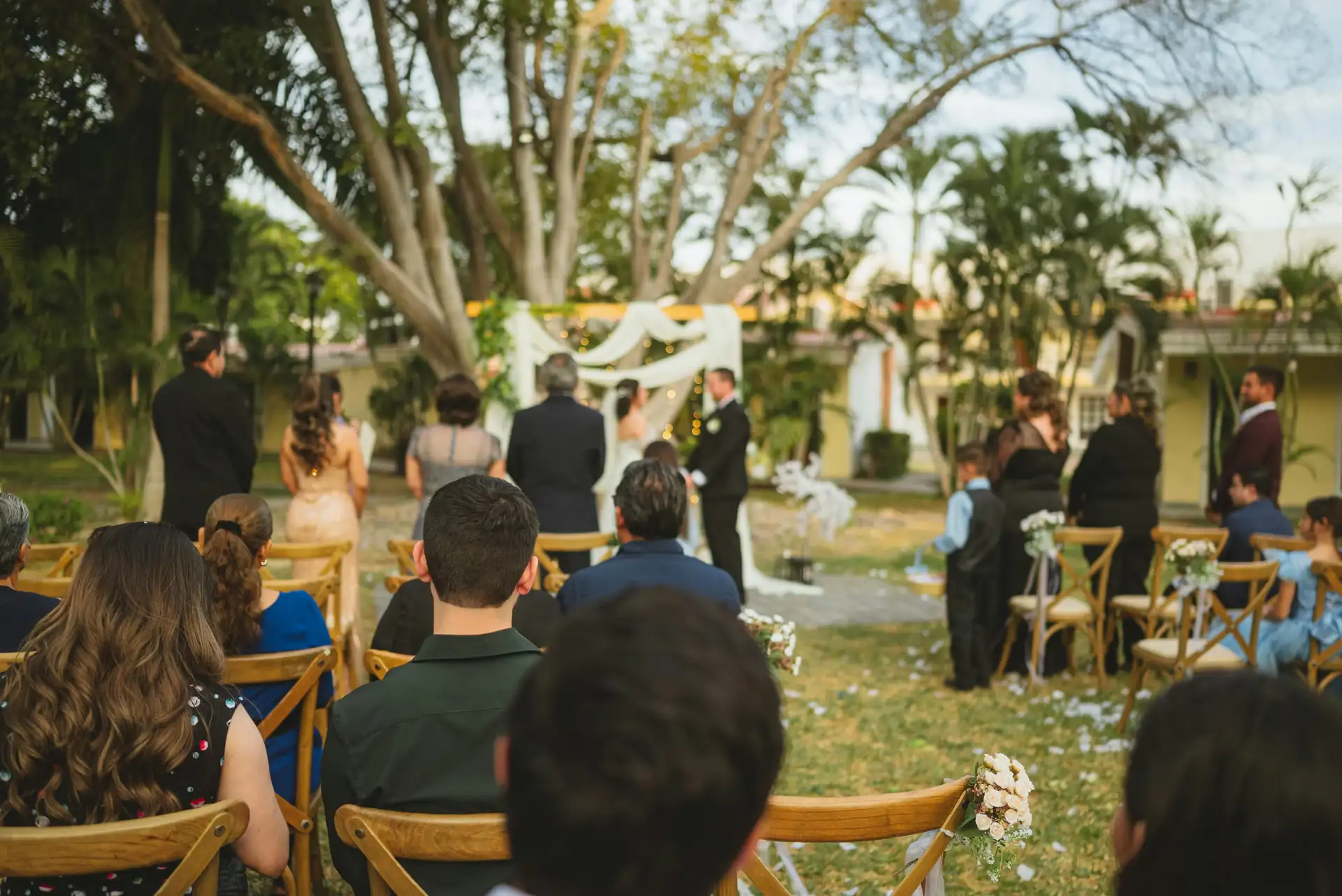
Planning Your Wedding Day Photography Timeline

Why Your Photography Timeline Matters
Your wedding day will fly by in a blur of emotions, celebrations, and joy. A well-planned photography timeline ensures that every important moment is captured without feeling rushed or stressed. Let’s create a timeline that works for both beautiful photos and your enjoyment of the day.
Timeline Planning: The Basics
How Much Time Do You Really Need?
Most couples underestimate how long photos take. Here’s what’s realistic:
- Getting ready photos: 1-2 hours (split between both parties)
- First look: 15-20 minutes
- Couple portraits: 30-45 minutes
- Wedding party photos: 20-30 minutes
- Family portraits: 20-40 minutes (depending on complexity)
- Reception details & venue: 15-20 minutes
Total photo time needed: 2.5-4 hours, depending on your priorities
Sample Timeline: First Look Wedding
This timeline allows maximum photo time before the ceremony:
11:00 AM - Getting Ready Begins
- Photographer arrives at bridal suite
- Detail shots (dress, shoes, jewelry, invitation, flowers)
- Candid getting-ready moments
- Hair and makeup finishing touches
12:30 PM - Groom Getting Ready
- Second photographer (if hired) captures groom’s preparation
- Getting dressed with groomsmen
- Candid moments and details
1:30 PM - First Look
- Private moment between couple
- Most emotional part of the day for many couples
- Allows you to see each other before guests arrive
- Relieves pre-ceremony nerves
2:00 PM - Couple Portraits
- Taking advantage of afternoon light
- Your favorite locations around venue
- Natural, romantic photos without time pressure
2:30 PM - Wedding Party Photos
- Bridal party portraits
- Groomsmen photos
- Fun, creative group shots
3:00 PM - Family Formals
- Immediate family combinations
- Extended family groups
- Work efficiently with a pre-planned shot list
3:30 PM - Guests Begin Arriving
- Photographer captures venue details
- Guest arrival and mingling
- Final venue preparations
4:00 PM - Ceremony
- Processional down the aisle
- Exchange of vows and rings
- First kiss as married couple
- Recessional and celebration
4:30 PM - Post-Ceremony
- Receiving line (if doing one)
- Quick family photos if we missed any
- Guests head to cocktail hour
5:00 PM - Golden Hour Portraits
- The most magical light of the day!
- Just the two of you
- Romantic, dreamy couple photos
- This is where magic happens
5:30 PM - Cocktail Hour Coverage
- Guest interactions
- Detail shots of reception space
- Candid moments and emotions
6:00 PM - Reception Begins
- Grand entrance
- First dance
- Parent dances
- Toasts and speeches
7:00 PM - Dinner Service
- Candid table interactions
- Cake cutting
- Continued coverage of special moments
8:00 PM - Dancing & Celebration
- Open dancing
- Bouquet and garter toss (if doing)
- Candid dance floor moments
9:00 PM - Sparkler Exit or Final Dance
- Photographer departs after planned exit
- Or continues for an additional hour if contracted
Sample Timeline: Traditional (No First Look)
If you prefer to see each other for the first time at the ceremony:
2:00 PM - Getting Ready Coverage Begins
- Split time between bride and groom locations
- Detail shots and candid moments
4:00 PM - Ceremony
- Arrive early for final venue details
- Capture ceremony in full
4:30 PM - Just Married!
- Post-ceremony excitement
- Immediate family photos while guests head to cocktail hour
5:00 PM - Extended Family Formals
- Work through family combinations
- Wedding party photos
5:45 PM - Couple Portraits
- Golden hour couple photos
- Most important photos of the day
- Takes advantage of best light
6:30 PM - Reception & Celebrations
- Rest of evening proceeds similarly to first look timeline
Key Considerations for Your Timeline
The First Look Decision
Pros of a First Look:
- More time for portraits in better light
- Less stress before ceremony
- Private moment just for you two
- Can join cocktail hour with guests
Pros of Traditional:
- Classic processional reveal moment
- More anticipation and emotion
- Some prefer the tradition
- Works if you’re having a shorter day
Seasonal Light Considerations
Summer Weddings:
- Take advantage of long days
- Golden hour happens later (7-8 PM)
- Can do ceremony earlier and still have great portrait light
Winter Weddings:
- Sun sets early (4-5 PM)
- Consider earlier start time
- First look becomes more important
- May need to do couple photos before ceremony
Travel Time Between Locations
Getting ready to ceremony venue: Add 30 minutes buffer
Ceremony to reception venue: Add 15-30 minutes depending on distance
Portrait location: If traveling off-site, add significant time
Family Photo Organization
Before the wedding:
- Create detailed list of family combinations
- Designate a family “wrangler” to gather people
- Communicate the list to both families
On the day:
- Start with largest groups, work to smallest
- Keep photo time to 30 minutes max
- Have everyone gather in one spot beforehand
Tips for a Smooth Photo Timeline
Communicate with Your Vendors
Share timeline with:
- Photographer (obviously!)
- Videographer
- Wedding planner/coordinator
- Hair and makeup artists
- Transportation
- Venue coordinator
Build in Buffer Time
Things always run late. Build in 15-30 minute buffers:
- After getting ready
- Between ceremony and reception
- Before major events
Prioritize Your Must-Haves
Can’t miss photos for most couples:
- First look or first sight down the aisle
- Ceremony in full
- Immediate family formals
- Golden hour couple portraits
- First dance and parent dances
- Cake cutting
Nice to have if time allows:
- Extended family groupings
- Individual photos with each bridesmaid/groomsman
- Detail shots of every centerpiece
- Photos with every single guest
Keep Guest Experience in Mind
Don’t:
- Disappear for 2 hours during cocktail hour
- Make guests wait 90 minutes between ceremony and reception
- Skip the receiving line if it’s important to your families
Do:
- Join cocktail hour if possible
- Keep family photos efficient
- Make guest enjoyment a priority
Common Timeline Mistakes to Avoid
1. Not Enough Portrait Time
Allocating only 20 minutes for couple portraits is a recipe for regret. These are your most important photos! Budget at least 30-45 minutes.
2. Too Many Family Combinations
15+ different family groupings take forever. Stick to the essentials:
- Full immediate families (both sides)
- Parents with couple
- Siblings with couple
- Grandparents with couple
- Full extended family (one big group)
That’s 7-8 combinations max, which is reasonable.
3. Rushing Getting Ready Coverage
Starting photography 30 minutes before you leave for the ceremony doesn’t allow time for details, candids, and those emotional moments with parents.
4. Ignoring Sunset Time
Check what time golden hour happens on your wedding date! Plan your couple portraits accordingly—this light only happens once and it’s the best of the day.
5. No Buffer Time
When everything runs perfectly on schedule, you’ll be the first to know. Spoiler: it never does. Build in cushions.
Working with Your Photographer
During Planning
- Discuss your priorities: What photos matter most?
- Share your vision: Show inspiration photos
- Mention family dynamics: Divorced parents, estranged relatives, etc.
- Identify must-have shots: Specific moments or people
- Ask for timeline advice: We do this all the time!
On Wedding Day
- Trust your photographer: We’ll guide you through everything
- Relax and be present: Better photos come from genuine moments
- Stay on schedule: Do your best to stick to the timeline
- Communicate: If something’s important, speak up!
Final Thoughts
The perfect photography timeline balances beautiful photos with enjoying your day. You shouldn’t feel like you’re missing your own wedding because you’re posing for photos, but you also don’t want to regret not having enough time for portraits.
Work with your photographer to create a timeline that reflects your priorities, fits your venue and season, and keeps the day flowing smoothly. A little planning goes a long way toward ensuring you get stunning photos AND have an amazing time celebrating with the people you love.
Remember: Your wedding day is about celebrating your marriage, not just creating content. The best photos capture real moments, real emotions, and real joy. When your timeline allows space for those authentic moments to happen naturally, that’s when the magic happens.
Need help planning your wedding day timeline? Let’s chat! I’d love to help you create a timeline that works perfectly for your unique celebration.
1. Inspect and Service Your Heating System
Your heating system is your home’s lifeline during winter. A breakdown in the middle of a cold snap isn’t just uncomfortable—it can be dangerous and lead to frozen pipes.
What to Do:
- Schedule professional maintenance: Have your furnace or heat pump serviced annually before the heating season
- Replace filters: Change or clean filters monthly during heavy use
- Test your thermostat: Ensure it’s working properly and consider upgrading to a programmable model
- Check vents and registers: Make sure they’re not blocked by furniture or curtains
- Inspect the heat exchanger: Look for cracks or corrosion (or have a professional do this)
When to Call a Professional:
If your system is making unusual noises, not heating evenly, or is more than 15 years old, it’s time for a professional inspection. Regular maintenance can extend your system’s life and prevent costly mid-winter breakdowns.
2. Prevent Frozen Pipes
Frozen pipes are one of the most common and costly winter problems homeowners face. When water freezes in pipes, it expands and can cause pipes to burst, leading to significant water damage.
Prevention Steps:
- Insulate exposed pipes: Focus on pipes in unheated areas like basements, attics, and crawl spaces
- Seal cracks and gaps: Weatherstrip around pipes where they enter your home
- Disconnect outdoor hoses: Drain and store garden hoses for winter
- Shut off exterior faucets: Turn off water to outdoor faucets and drain the lines
- Keep cabinet doors open: During extreme cold, open cabinets under sinks to allow warm air circulation
- Let faucets drip: During freezing temperatures, a small drip can prevent freezing
Professional Help:
If you’re unsure about insulating pipes properly or if you have a history of freezing issues, call a professional plumber. They can identify vulnerable areas and recommend permanent solutions.
3. Clean Gutters and Check Your Roof
Clogged gutters can lead to ice dams, which force water under shingles and into your home. Meanwhile, damaged shingles can allow water and ice to penetrate, causing leaks and structural damage.
Gutter Maintenance:
- Remove all debris: Clean out leaves, twigs, and sediment
- Check for proper slope: Gutters should slope toward downspouts
- Secure loose gutters: Reattach any sections pulling away from the house
- Extend downspouts: Ensure water drains at least 5 feet from your foundation
- Consider gutter guards: They can reduce future maintenance
Roof Inspection:
- Look for damaged shingles: Replace any that are cracked, curled, or missing
- Check flashing: Ensure chimney and vent flashing is secure
- Inspect attic ventilation: Proper ventilation prevents ice dams
- Trim overhanging branches: They can damage your roof in winter storms
Safety Note:
Working on roofs can be dangerous. If you’re not comfortable or if your roof is steep, hire a professional contractor for inspection and repairs.
4. Seal Air Leaks and Improve Insulation
Drafts don’t just make your home uncomfortable—they waste energy and increase heating costs. Proper insulation and air sealing can reduce your heating bills by 20% or more.
Common Air Leak Locations:
- Windows and doors: Apply weatherstripping and caulk gaps
- Electrical outlets: Install foam gaskets behind outlet covers
- Attic hatches: Add weatherstripping and insulation
- Basement rim joists: Seal and insulate this often-overlooked area
- Fireplace dampers: Ensure they close tightly when not in use
Insulation Check:
- Attic: Should have at least R-30 to R-60 depending on your climate
- Walls: Check for gaps in existing insulation
- Basement/crawl space: Insulate walls and seal the rim joist
DIY vs. Professional:
Many air sealing tasks are DIY-friendly, but adding significant insulation or addressing major air leakage issues often requires professional expertise to ensure proper installation and ventilation.
5. Prepare for Winter Storms
Winter storms can knock out power, block access, and create hazardous conditions. Being prepared protects both your home and your family.
Storm Preparation Checklist:
- Generator readiness: If you have a generator, test it and stock fuel
- Clear storm drains: Ensure water can drain away from your property
- Stock emergency supplies: Keep flashlights, batteries, water, and non-perishable food on hand
- Have contractor contacts ready: Save numbers for emergency plumbing, heating, and electrical services
- Protect sensitive equipment: Know how to shut off water and gas if needed
- Clear yard hazards: Remove or secure items that could become projectiles in high winds
Additional Winter Prep Tips
Chimney and Fireplace
If you use your fireplace:
- Have the chimney professionally cleaned and inspected
- Check the damper operation
- Ensure you have a chimney cap to prevent animal entry
- Stock up on firewood if needed
Windows and Doors
- Install storm windows or apply plastic film insulation
- Check door sweeps and replace if worn
- Lubricate door and window locks
- Test door weather stripping
Outdoor Maintenance
- Drain and winterize irrigation systems
- Store or cover outdoor furniture
- Clean and store outdoor power equipment
- Apply ice melt to walkways before storms (keep it away from vegetation)
When to Call a Professional Contractor
Some maintenance tasks are straightforward DIY projects, while others require professional expertise. Call a professional contractor when:
- You need electrical or major plumbing work
- Roof repairs are needed (safety hazard)
- Your heating system needs service or repair
- You’re adding or replacing insulation in walls
- Major air sealing or structural work is required
- You’re unsure about any task—it’s better to be safe
Start Your Winter Prep Today
Don’t wait until the first freeze to discover problems. Start working through this checklist now, and you’ll enjoy a warm, safe, comfortable winter without costly emergency repairs.
Need help with your winter preparation? Our experienced team can inspect your home, identify potential problems, and complete all necessary maintenance and repairs. Contact us today for a free consultation.
Final Thoughts
Regular maintenance isn’t just about avoiding problems—it’s about protecting your investment and keeping your family safe and comfortable. The small investment of time and money now can save thousands in emergency repairs later.
Questions about any of these tasks? Not sure if something is a DIY project or requires professional help? Give us a call—we’re happy to provide guidance and free estimates for any work your home needs.